
How Police Reports Get Fatal Truck Crashes Wrong—and How to Fix Them Before Trial
Feb. 4, 2026
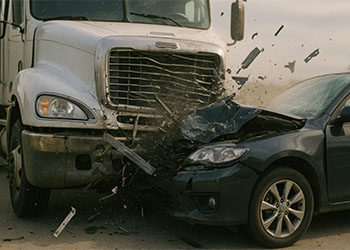 Losing a loved one in a fatal truck accident is devastating, and dealing with the aftermath can feel overwhelming. When emotions are high, you might assume that the official police report captures every detail accurately.
Unfortunately, mistakes, omissions, or assumptions in these reports can make it harder to pursue justice. Knowing that the initial report could be wrong adds another layer of stress during an already painful time.
At Jenkins Law Firm, I help families in Hilton Head Island, Beaufort County, and Jasper County carefully review fatal truck crash reports to identify errors before they affect a case. By taking a closer look at the details and gathering supporting evidence, I can help you correct inaccuracies and protect your claim. Reach out today to discuss your situation and start taking steps toward justice.
Why Police Reports Can Be Wrong
Police officers handle many different incidents daily, and while they strive to document accidents accurately, their reports aren’t always complete. Officers often work under pressure, with limited time to investigate, especially at large or fatal crash scenes. These factors can lead to missing or incorrect details in the report.
Human error can also contribute to miscalculations, misidentifications, or misreporting of road conditions, especially in high-pressure situations at the scene of a crash. Officers may have limited time to gather information, leading to incomplete or inaccurate documentation. Even small mistakes can create misleading conclusions about how the accident occurred.
Witness statements collected on the scene may be brief, inconsistent, or influenced by stress, and officers may rely on initial impressions rather than a thorough investigation. These factors can result in a report that doesn’t fully reflect the facts of the crash. Recognizing these limitations early is crucial for identifying errors and taking steps to correct them before they affect your wrongful death case.
Common Errors in Fatal Truck Crash Reports
Several recurring mistakes appear in police reports involving large commercial vehicles. These errors can significantly impact liability, insurance claims, and wrongful death lawsuits. Being aware of them helps you know what to question and verify. Frequent mistakes include:
Vehicle positioning errors: Incorrect placement of trucks or other vehicles can misrepresent how the accident occurred.
Speed miscalculations: Estimations of speed at the time of the crash are often based on assumptions, not precise measurements.
Witness statement inconsistencies: Officers may summarize or misquote witnesses, leading to inaccurate narratives.
Road condition misreporting: Factors like weather, signage, or road surface may be overlooked or described incorrectly.
These errors can create misleading conclusions about fault or causation. Identifying inaccuracies early allows you to gather supplemental evidence to clarify what really happened. Addressing mistakes before trial is essential to protecting your legal rights and your claim for wrongful death.
How to Correct Errors Before Trial
Correcting inaccuracies in a police report involves careful review and documentation. You don’t want to rely solely on the initial report, especially if it contains errors that could weaken your wrongful death case. Taking proactive steps helps prevent these mistakes from influencing a jury or insurance adjuster. Some key steps to consider include:
Request a copy of the full report: Reviewing the entire document allows you to spot inconsistencies or omissions.
Collect independent evidence: Photos, dashcam footage, or vehicle black box data can verify or correct the report’s details.
Interview witnesses early: Talking to those present at the scene before memories fade helps capture accurate accounts.
Hire professional accident reconstruction: Specialists can provide an objective analysis to clarify vehicle positions, speed, and impact points.
Addressing these issues before trial strengthens your position and provides a clearer picture of the accident. Correcting errors early demonstrates diligence and helps protect your claim for compensation in a wrongful death case.
Why Early Review Matters
Waiting too long to review the police report can have serious consequences. Over time, evidence may be lost, witnesses’ memories can fade, and the ability to challenge inaccurate statements diminishes. Prompt action is critical in fatal truck crash cases.
By reviewing reports after an accident, you gain the opportunity to spot errors and take corrective action. Early intervention also allows you to gather supporting evidence while the details are still fresh. Acting quickly helps protect the integrity of your case and protects your wrongful death claim from avoidable mistakes. Benefits of early review include:
Preserving crucial evidence: Timely investigation protects photos, measurements, and physical evidence from being lost.
Accurate witness accounts: Promptly capturing memories reduces the risk of misremembered details.
Strategic case planning: Identifying errors early helps shape the approach for negotiations or trial.
Taking these steps early helps maintain a strong, credible record for your case. The sooner mistakes are identified, the more effectively they can be corrected to support your claim.
Reach Out Today and Move Forward With Confidence
Losing someone in a truck accident is painful, and confronting errors in official reports can feel frustrating. You deserve clarity and reassurance that your claim will reflect the truth. Taking steps to correct inaccuracies before trial helps you protect your rights and seek fair compensation.
At Jenkins Law Firm, I help families across Hilton Head Island, Beaufort County, and Jasper County review fatal truck crash reports and address errors before they impact a case. I focus on guiding you through this process with care and diligence, protecting your legal interests while honoring your loved one’s memory. Reach out today to discuss your situation and take the first step toward justice in your wrongful death claim.